
3 hr
Tucson Food Tour: 6 Tastings of Southwestern Cuisine
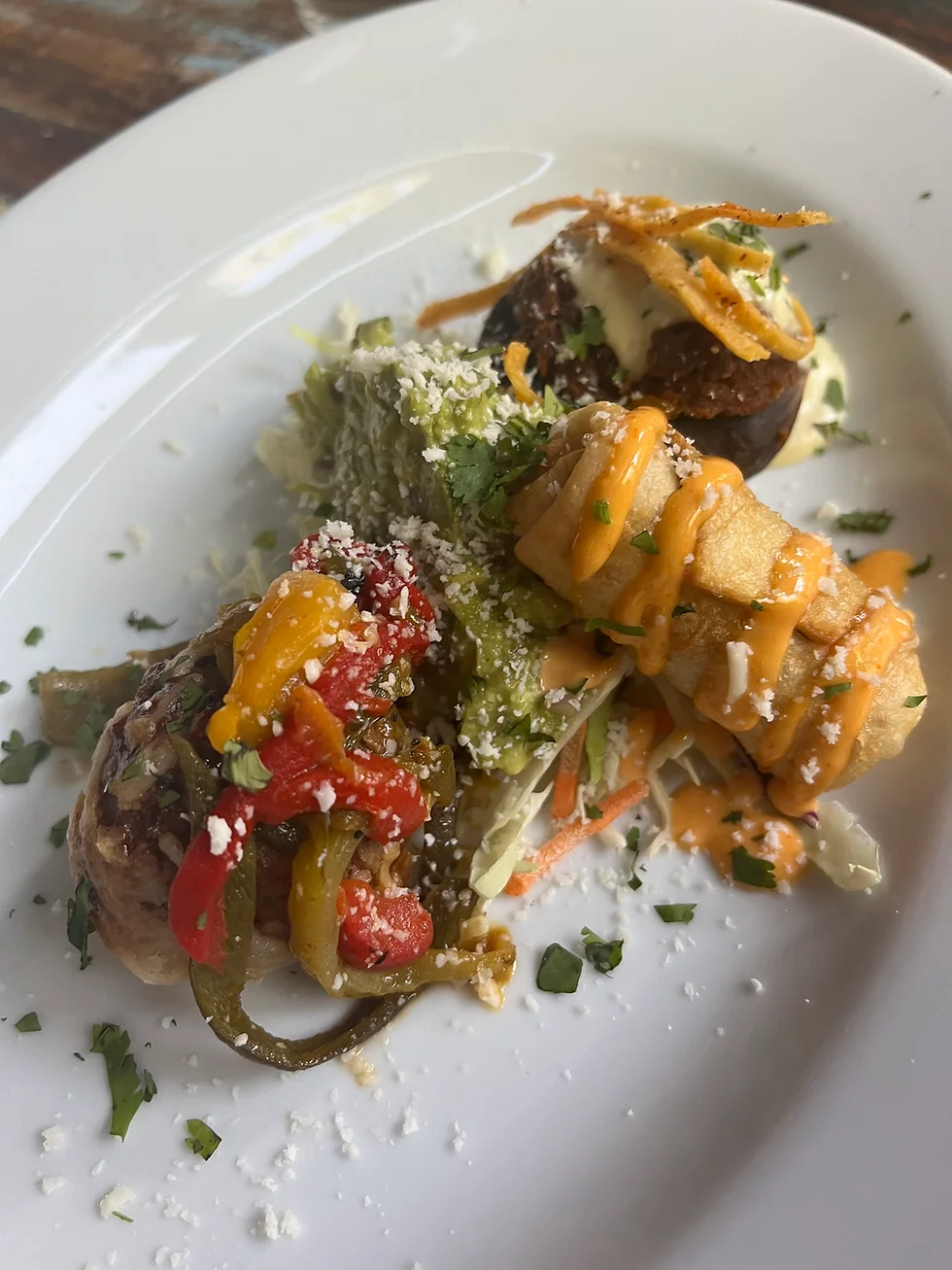
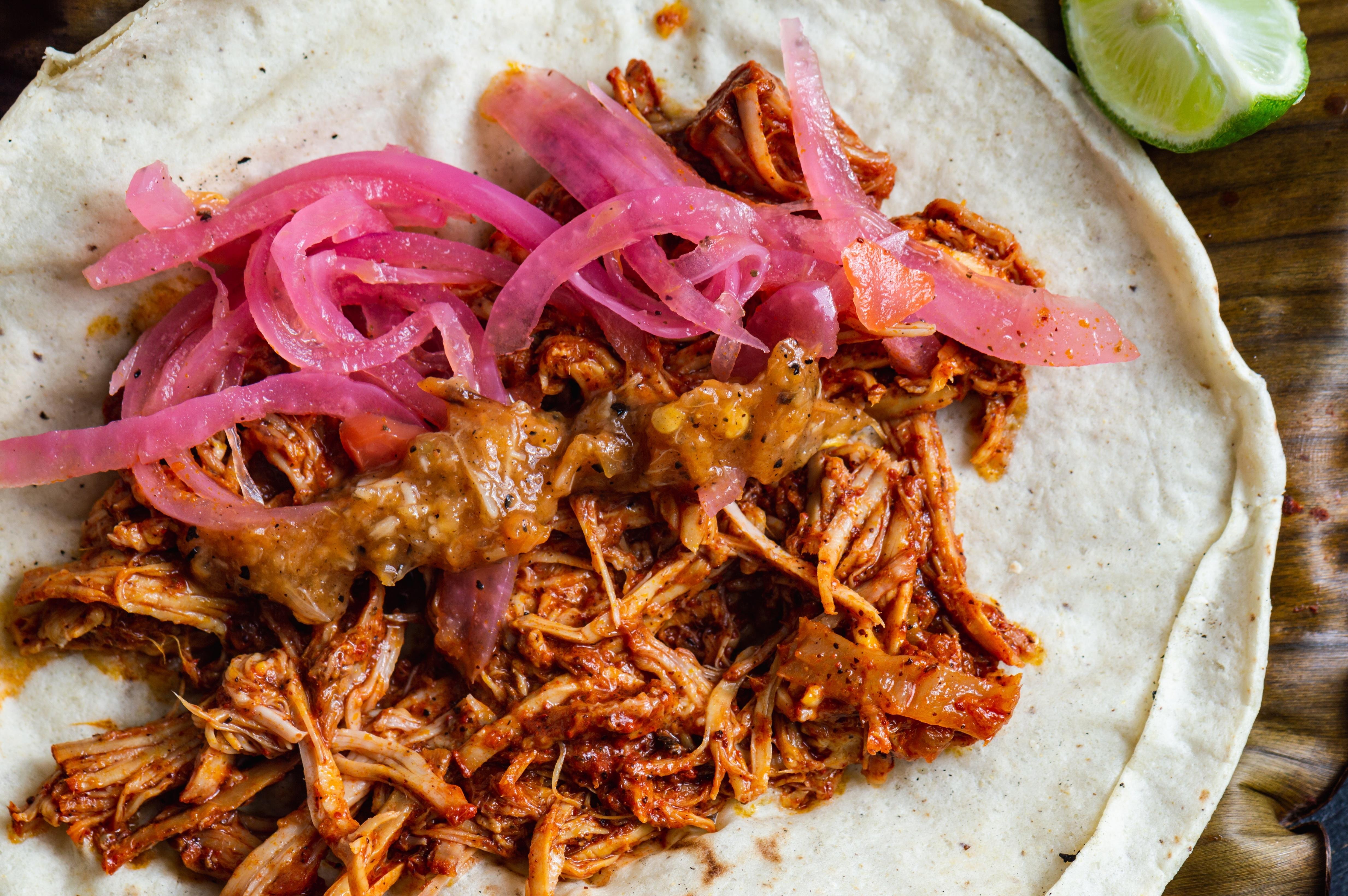
Explore Tucson's UNESCO gastronomy scene with six authentic tastings, from Sonoran hot dogs to secret dishes
Reserve
Six tastings of Sonoran cuisine, heritage districts on foot
Hand-picked by our editors — only the best 5 culinary walking tours from 12 reviewed.
Verified partners for every tour, free cancellation where available, and instant confirmation on every booking.
3 hr
Explore Tucson's UNESCO gastronomy scene with six authentic tastings, from Sonoran hot dogs to secret dishes
Reserve
3 hr
Stroll downtown Tucson with a local guide, sampling bites and hidden history along the way.
Reserve
4 hr
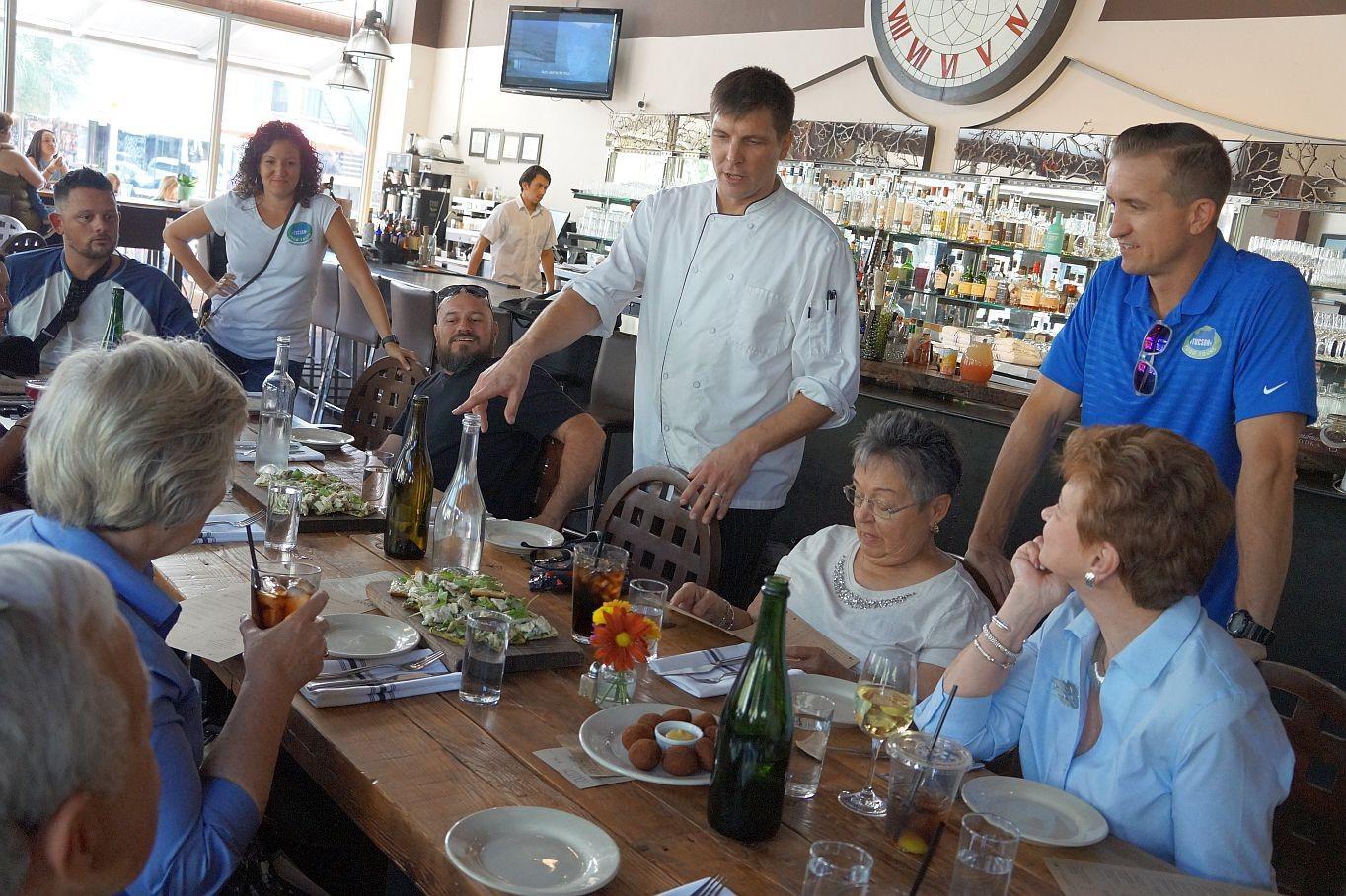
Walk downtown Tucson and taste your way through 6 local eateries with a knowledgeable guide.
ReservePrices from verified partners. Availability updates in real time at checkout. Free cancellation policies apply where shown.
The landmarks, rooms, and views travelers on this tour remember — all visible on a single visit.
Learn how ancient grains are processed and used in modern local baking recipes. Includes a surprise fact about local milling history.
This site serves as a hub for traditional preparation techniques. Discover how 300 years of cooking culture influences today's Tucson culinary scene.
A collection of stalls showcasing regional ingredients like chilies and agave. Explore the diverse variety of flavors found in Southern Arizona.
Visit a restored building featuring local ingredients. Learn about the sustainable sourcing practices used by the Tucson foodie tour partners.
The guided tucson foodie tour is ideal for those seeking deep narratives and curated stops, while a self-guided crawl offers complete freedom for independent travelers. Most visitors who prioritize social engagement prefer the guided option, while those wanting to explore at their own tempo find the independent route more appealing.
| Feature | Top pick Tucson Foodie Tour | Self-Guided UNESCO Crawl |
|---|---|---|
Curated Insight |
Expert-led local commentary | Personal research required |
Dining Flexibility |
Pre-set tasting menu | Complete choice of venues |
Logistical Ease |
All arrangements handled | Self-managed transit and timing |
Social Interaction |
Group dining dynamic | Solo or private party only |
Educational Depth |
Structured culinary history | Dependent on personal interest |
Cost |
75 USD per person | Variable menu pricing |
| See tickets → |
Verdict: Choose the tucson foodie tour tours if you want a structured experience with local context, or opt for the self-guided crawl if you prefer complete autonomy over your culinary itinerary when securing your tucson foodie tour tickets.
Choose your ticket, select your date, and reserve in under two minutes. Secure checkout handled by our verified partner.
Instant confirmation by email, with a mobile voucher you can save offline. No printing, no queuing at a collection desk.
Arrive at the entrance, show your voucher on your phone, and walk in. Most tickets include priority or skip-the-line access.
Best time to go, insider tips, nearby landmarks, and the cancellation fine print — flip through to skim what matters to you.
How crowds, weather, and events shift across the year.
October through November offers mild temperatures ideal for walking tours. Crowds are moderate before the winter peak.
March through April provides pleasant weather for outdoor tastings. This season is popular for regional food festivals.
Expect high temperatures midday; morning tours are recommended to avoid extreme heat. Book early to secure your spot.
December through February is popular for tourists. Dress in layers as evenings cool down rapidly.
Small details that turn a good visit into a great one.
Standard Tucson foodie tour tickets sell out during peak weekends. Reserve at least two weeks in advance.
Communicate allergies during booking to ensure the operator can provide safe alternatives.
Carry water despite the mild autumn heat. The desert environment can be drying.
Morning temperatures in October are cool, while afternoons warm up quickly.
Take time to revisit the highlighted establishments after the tour ends. Supporting local businesses helps sustain the Tucson culinary scene.
Non-bookable sights within a short walk — free to visit, easy to pair.
A reconstruction of the original 1775 fort. Offers insight into the city's origins.
Features diverse architectural styles from the 19th century. Notable for unique residential homes.
Displays art reflecting the history of the region. Located in the heart of the district.
Houses extensive collections related to the territorial history. Explore exhibits on local heritage.
Flexible, no hidden fees.
Cancellations made 24 hours prior to departure receive a full refund. Guests are charged 75 USD for the standard guided walking food tour upon booking.
Hand-picked options within walking distance — pick a district for vibe, or a specific hotel for convenience.
Central location near major dining spots.
Charming stay in a renovated period building.
Spacious rooms ideal for longer culinary visits.
Downtown Tucson operates North America's only UNESCO City of Gastronomy designation, awarded in 2015 for its four-millennia unbroken agricultural tradition and the living continuity of Sonoran foodways. The recognition spans pre-Columbian tepary beans and desert-adapted squash cultivated by Tohono O'odham farmers through Spanish colonial wheat introductions to the modern cross-border mesa of Sonoran hot dogs, carne seca, and mesquite-flour pastries that define the borderlands palate today. A Tucson foodie tour typically routes through the Barrio Viejo and Armory Park historic districts, where century-old adobes house third-generation taquerías, craft roasters sourcing Chiapas single-origin beans, and mezcalerías stocking over sixty agave expressions. The six-tasting format balances street vendors—elote carts, raspado stands—with sit-down samplings of Sonoran beef machaca and cholla-bud salsa, ingredients still harvested from the Tucson Basin desert floor. Guides narrate the 1880s arrival of Chinese immigrant farmers who pioneered Tucson's produce wholesale markets and the post-war rise of the chimichanga, allegedly invented at El Charro Café on North Court Avenue in 1922 when a burrito accidentally fell into hot lard. The downtown streetcar corridor, restored in 2014 along the original 1906 trolley route, connects the modern culinary walk to Congress Street's early-twentieth-century commercial spine. Tour operators weave stops at the Mercado San Agustín artisan market and the Hotel Congress district, where Prohibition-era speakeasy tunnels once smuggled sotol and bacanora from Sonora. October through April sees ideal walking weather, with daytime highs in the low twenties Celsius and monsoon season safely past. Mesquite trees drop their bean pods in summer; by autumn the harvest has been milled into flour sold at farmers' co-ops along the route. The culinary walking tour format emerged in Tucson around 2009, formalizing what locals had practiced informally for decades—grazing multiple taquerías in a single evening, building meals across neighborhoods rather than within single restaurants.
"Downtown Tucson operates North America's only UNESCO City of Gastronomy designation, awarded for its four-millennia unbroken agricultural tradition."
The walking route uses city sidewalks, which are generally accessible for the Tucson foodie tour.
Yes, you may take photos throughout your Tucson foodie tour experience.
Children are welcome on the Tucson foodie tour, provided they can manage the walking requirements.
Cancellations made 24 hours prior to the Tucson foodie tour receive a full refund.